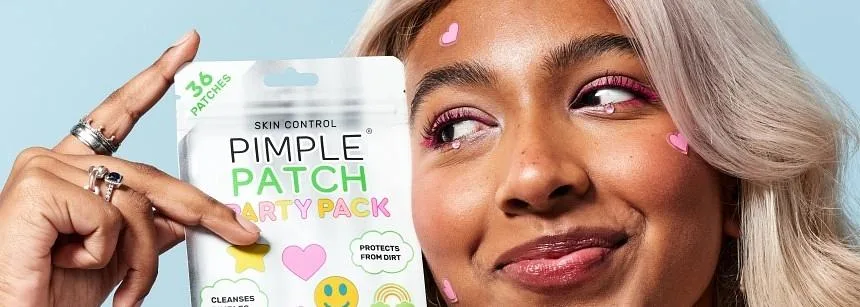
For Gen Z, skincare is no longer just about clearing a breakout before prom night. This generation has grown up with information at their fingertips, and they want more than a quick fix. What they’re asking for now is clarity without compromise: treatments that fight acne while protecting the skin’s barrier and microbiome.
Why this shift?
In the past, acne care often meant aggressive products — high-percentage acids, drying toners, and “strip it all away” routines. They worked in the short term but left behind irritated, sensitized skin. Gen Z has seen enough of that. They want solutions that heal, balance, and respect the skin’s ecosystem.
The microbiome moment
The word microbiome is no longer reserved for medical journals. TikTok, Instagram, and even drugstore packaging now highlight it. Probiotics, postbiotics, and fermented extracts are positioned as gentle warriors: calming inflammation, reducing redness, and supporting skin resilience.
The new acne toolkit
Azelaic acid: anti-inflammatory, brightening, and barrier-safe.
Salicylic acid: still the hero for unclogging pores, but now in lower concentrations, paired with soothing ingredients.
Niacinamide: a Gen Z favorite — reduces oiliness, strengthens barrier, and brightens in one step.
Probiotics & prebiotics: not trendy add-ons, but essentials for calming the skin.
Hybrid formulas: acne serums that double as barrier repair treatments.
Beyond ingredients
For Gen Z, skincare is also about values. They expect transparency, inclusivity, and sustainability. Packaging must be eco-conscious, messaging must be authentic, and products must deliver results without harming skin or planet.
This generation isn’t just buying acne solutions; they’re shaping the future of how we talk about skin health. The acne-barrier revolution is a clear sign: the era of “harsh but effective” is over. Now it’s about balance, science, and respect for the skin.
✨ In the Open Beauty Hub community, we explore how to translate these shifts into real practice — from microbiome-safe protocols to product recommendations that meet Gen Z’s expectations for clarity and care.