2025 wasn’t just another cycle of launches and promises. It was a year of transformations—when trends, viral videos, and cultural shifts didn’t just emerge, but shaped a new beauty landscape.
1. Viral TikTok as the Main Beauty Medium
In 2025, TikTok didn’t just broadcast trends—it generated them. Viral products and beauty identity movements had . instant global reach, and “best of 2025” lists were filled with what people really liked, rather than what brands pushed. According to industry data, the biggest trends—from innovative masks to the most talked-about products—were precisely those that users recommended to each other online.
It was the year when users themselves became a media platform: the publication of an ordinary product could trigger a consumption boom without any formal marketing.
2. “Sad Blush” – Winter’s Unexpected Hit.
One of the most talked-about trends at the end of the year was “sad blush”: a discreet, neutral blush in beige tones that exploded views and discussions on TikTok and Instagram. At first glance, it looks like a banal, minimalist aesthetic, but this trend has become a symbol of a new attitude toward naturalness: minimalism is no longer boring – it’s thoughtful.
3. Tools and Gadgets That Sold Out in 24 Hours.
One of the most viral products of 2025 was an affordable dermaplaner, which sold out within 24 hours of its launch in the UK. It became a symbol of users’ willingness to buy beauty tools that work simply and effectively – without a salon appointment or a super-professional context.
4. Cherry Cola Hair and Other Hair Viruses.
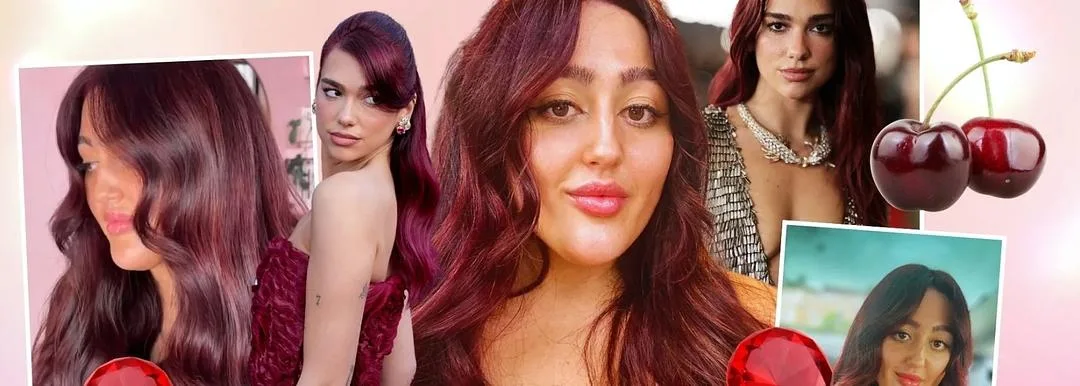
2025 was a year of unusual hair trends: the cherry cola shade went viral on TikTok and in salons, while low-maintenance haircuts like the wolf cut remained top-of-mind thanks to their simplicity and style. This shift reflects not only aesthetic preferences but also economic reality: people are looking for expressive, yet comfortable and sustainable hair solutions.
5. Growing Demand for Evidence and Functionality.
By the end of 2025, the “intentional beauty” trend has become more than just a hashtag, but a real consumer behavior: people are choosing products that work, not those that simply look pretty on their feed. This has meant a shift in demand from hype to results and evidence, as reports from major platforms show.
6. What Lost Ground.
2025 was also the year when a number of ideas and formats became completely obsolete:
• Rigid “medical grade” wording without explanation;
• Blind faith in generic AI solutions without personalization;
• Viral elements without real benefit;
• And, most importantly, ultra-glossy marketing strategies that are not supported by user experience.
Experts seemed to be telling the entire market: “Stop selling smoke—people want a solid result.”
Summary of the most viral trends of 2025
• Skincare based on barrier resilience and data: from PDRN formulas to lymphatic massage;
• Hair aesthetics focused on vibrant shades and low-maintenance styles;
• Minimalism in makeup, but not trivial, but thoughtful;
• Mass-market tools that make salon-quality results accessible at home;
• Instant sensory pleasures instead of aggressive promises.
2025 has shown that beauty today is more than just a collection of products. It’s a viral experience, cultural meanings, and personalized benefits. Beauty has ceased to be just aesthetics—it has become part of lifestyle, the psychology of choice, and daily decisions.
In the Open Beauty Hub community, we analyze these shifts step by step: what was a temporary wave and what has become the architecture of the future beauty market—from formulas and trends to consumer behavior.